







Search Results for: Roast Analysis
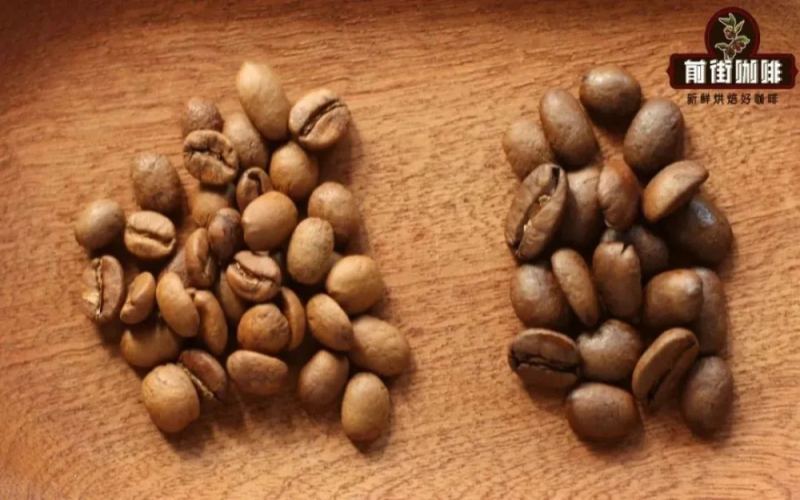
A Complete Analysis of Coffee Bean Roast Color Values: How Agtron Numbers Correspond to Eight Roast Levels and Flavor Changes
The color differences that coffee beans display after roasting are not arbitrary; the industry long ago established a scientific quantitative standard—the Agtron color value, also known as the caramelization analysis number. This set of values runs from 95 to 25, corresponding to eight levels from light roast to Italian roast: the higher the number, the lighter the color, and the lower the number, the darker it is. Each color value range has a clear drop time node and flavor characteristics: from light roasts dominated by bright acidity, it gradually transitions to dark roasts dominated by bitterness and smoky notes. Understanding these color values not only helps us recognize the correspondence between roast level and taste, but also helps us understand why very dark roasts are now hard to find under the specialty coffee trend. But color value is only a reference tool; in actual judgment, tasting perception is still needed, since factors such as processing method also affect the appearance of the beans. [more…]
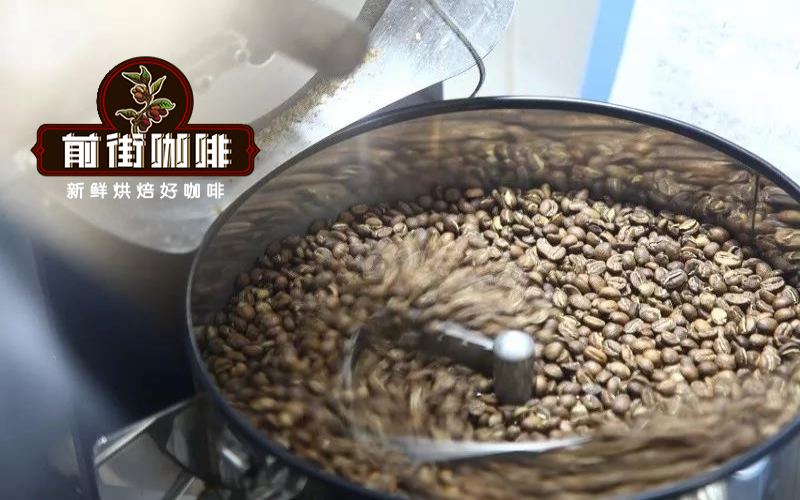
Flavor Analysis of Medium and Medium-Dark Roasted Coffee Beans: How to Choose Beans with Balanced Bitterness and Acidity, Mild and Mellow
The roast level of coffee beans directly determines the flavor profile in the cup. The medium and medium-dark roast ranges often deliver less bitterness and acidity with a mild, balanced body, making them the everyday choice for many coffee lovers. This article systematically breaks down the flavor characteristics and suitable applications of medium roast, medium-dark roast (City roast), medium roast, and dark roast, and recommends a range of representative beans from Front Street Coffee for each roast level, including Colombia Huila, Brazil Cerrado, and Golden Mandheling, to help you pinpoint the cup that suits you in pour-over, siphon, or blended recipes. [more…]
Beginner's Guide to Supremo Colombian Coffee Beans: A Full Analysis of Origin Characteristics, City Roast, and Flavor and Mouthfeel
Colombia is the world's second-largest coffee-producing country, and its high-quality beans are known for being balanced and rich. This article is aimed at coffee enthusiasts and systematically outlines the basic knowledge of specialty Colombian coffee beans: from the background of the producing region and major growing areas (Medellín, Narino, Bogotá, Armenia, etc.) to the internationally renowned grades Supremo and Excelso, with a key analysis of the flavor performance under City Roast—good-quality acidity and sweetness, a highly balanced aroma, and plump, attractive beans. Whether at medium or dark roast, Colombian beans present a unique and subtle layering of flavor. The article also retains Front Street Coffee's related recommendations and product information to help you build clear judgment when purchasing and brewing. [more…]
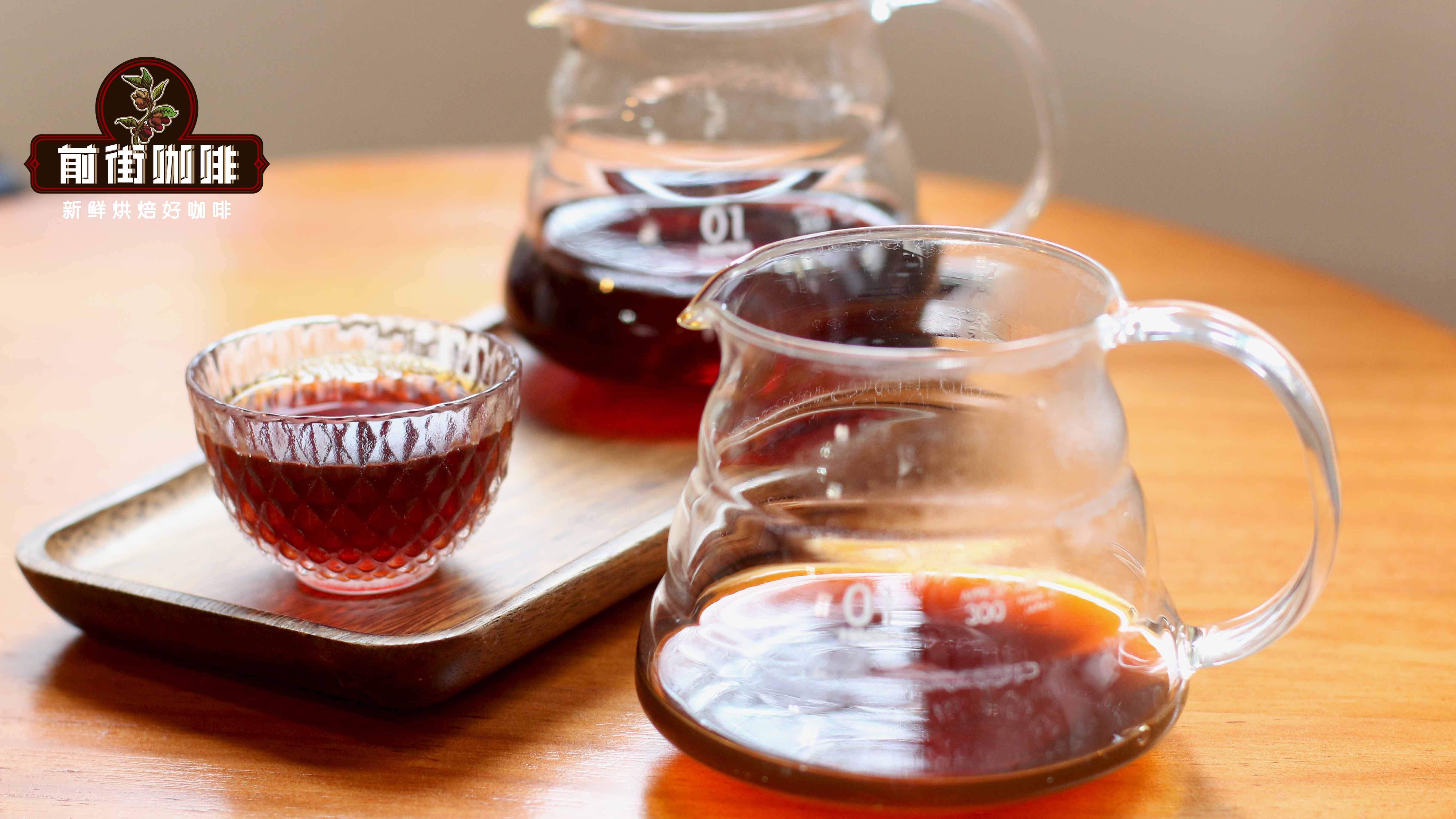
Yirgacheffe Gotiti Washed Bean Pour-Over Guide: From Cooperative Traceability to Flavor Analysis of Medium-Light Roast
In Ethiopia's Yirgacheffe region, there is a village with a particularly friendly name—Gotiti. The coffee beans produced here, with their rich aroma and clean, crisp mouthfeel, have won the hearts of many coffee lovers at first sip. Front Street Coffee's Gotiti Cooperative coffee beans are roasted to a medium-light level, preserving the heirloom variety's fruity notes and white floral aromas to the greatest extent. This article will provide a complete analysis of this bean's appeal—from the region's origins, the cooperative's evolution, the washed processing method, to brewing recommendations—helping you better understand its flavor logic and extraction approach. [more…]
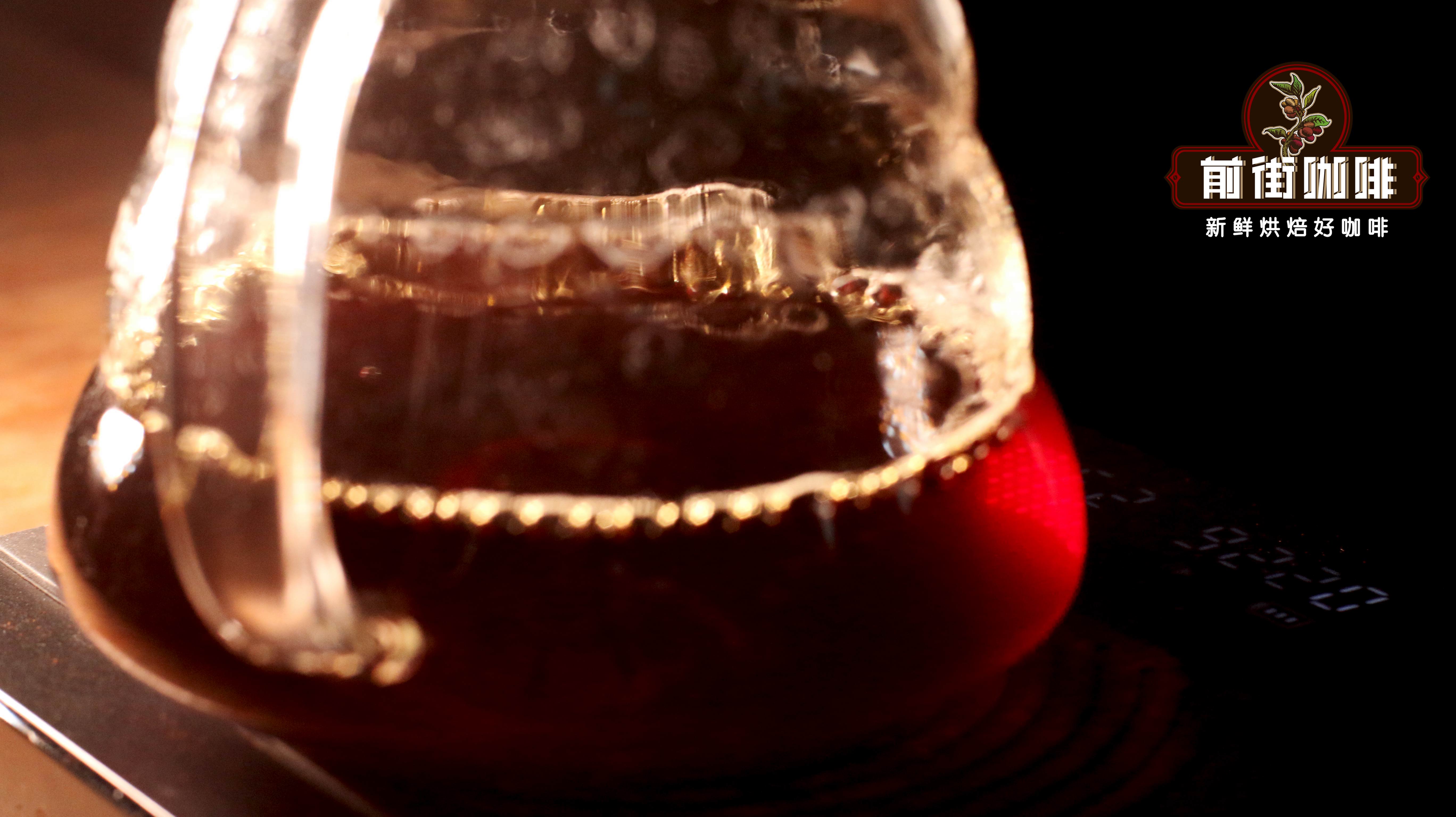
Dark Roast Coffee Flavor Analysis: Taste Characteristics, Is It Suitable for Pour-Over? Plus Front Street Coffee Dark Roast Bean Recommendations and Brewing Tips
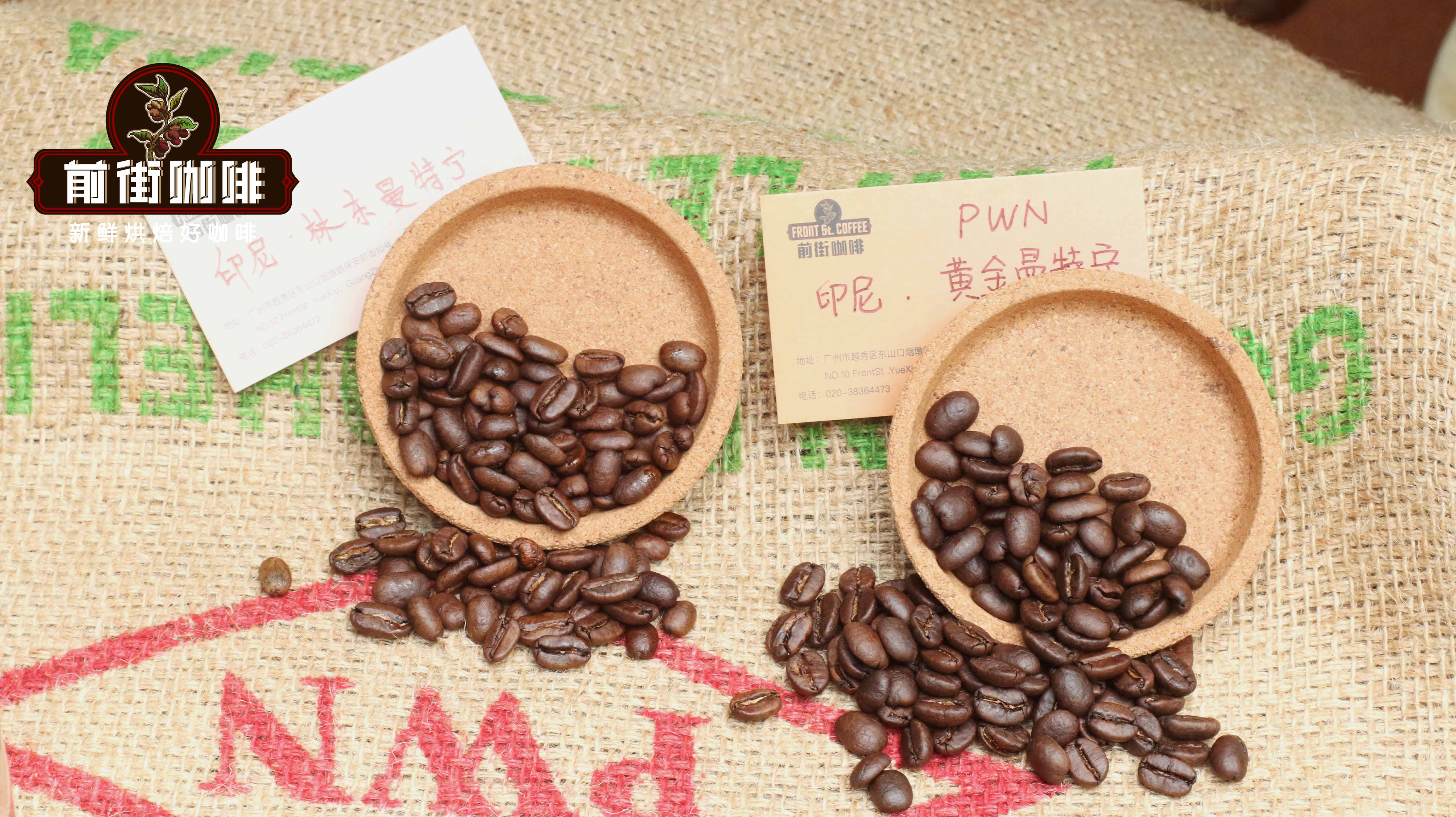
Is dark roast coffee actually good? Where does its rich, full-bodied taste come from, and is it suitable for pour-over brewing? This article starts with the classification of roast levels, sorting out the flavor differences among light, medium, and dark roasts, with a focus on how dark-roasted beans perform in pour-over, and offers adjustment ideas across four dimensions: coffee-to-water ratio, brewing time, dripper choice, and pouring technique. It also rounds up popular dark-roasted single origins such as Front Street PWN Golden Mandheling, Front Street Queen's Estate, Front Street Jamaica Blue Mountain No. 1, and Front Street Huila, as a reference for everyday bean selection. [more…]
A Comprehensive Analysis of Coffee Blends: Differences Between Espresso Blends and Single-Origin Beans, and How to Choose Between Pre-Roast and Post-Roast Blending
Blended coffee beans have attracted increasing attention in recent years, and even the pour-over coffee scene has begun to adopt them widely. Front Street Coffee has pointed out in past articles that single-origin coffee beans often struggle to achieve an ideal state in both flavor and mouthfeel at the same time, while through blending, it is possible to create a coffee bean that combines flavor, mouthfeel, and a unique character. However, blended beans involve two different modes—raw blending and roasted blending—which has also led many enthusiasts to wonder: which method is actually better? This article will systematically sort out the meaning of blended coffee beans, distinguish the differences between espresso blends and single-origin beans, and take a deeper look at the logic and applicable scenarios of raw blending and roasted blending respectively, helping readers fully understand how to choose blended coffee beans. [more…]
Analysis of the Differences in Brewing Methods for Dark Roast and Light Roast Coffee: Key Points on Water Temperature, Grind Size, and Time, Coffee-to-Water Ratio
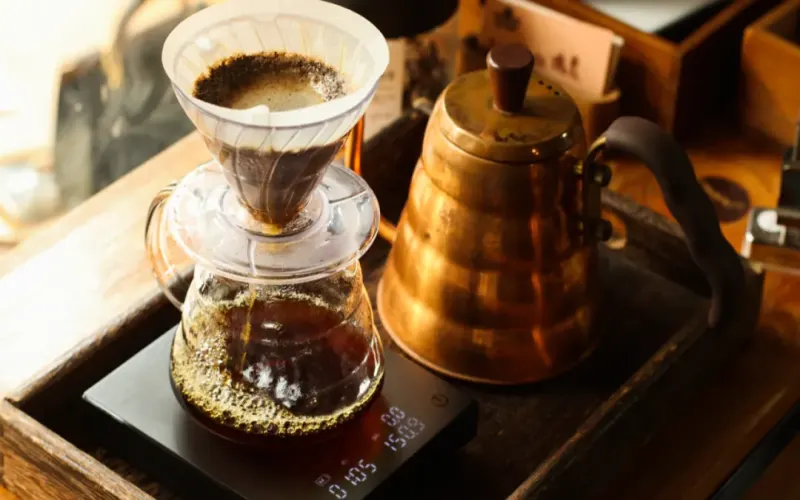
In coffee brewing, the roast level directly influences the choice of extraction approach. Light-roasted beans generally require a higher water temperature and a finer grind, while dark-roasted beans are better suited to a lower water temperature and a coarser grind, in order to balance flavor and avoid over-extraction. This article will compare in detail the differences in brewing technique between the two roast levels, and explain why the time and coffee-to-water ratio remain the same. By understanding these core variables, coffee lovers can adjust parameters more flexibly and improve the consistency and taste of their daily brews. The article also includes practical recommendations from Front Street Coffee to help readers get up to speed quickly in practice. [more…]
How to Make Deep-Roasted Coffee Smooth and Easy to Drink? A Full Analysis of Flavor Changes at Each Roasting Stage
The roasting duration of coffee beans directly determines the flavor direction in the cup—the longer the roast, the lower the acidity and the less caffeine remains. From extremely light roast to heavy roast, each stage has a completely different aroma and mouthfeel profile, and the brewing equipment that suits it also varies. This article systematically sorts out the flavor characteristics and recommended uses of light roast, medium roast, medium-dark roast, City roast, dark roast, French roast, and Italian heavy roast, and explains the appearance, temperature milestones, and common types of dark-roasted beans. The article also combines several representative beans from the Front Street brand to give specific suggestions for different scenarios such as pour-over, espresso, and moka pot, helping you find a dark roast coffee that suits your taste. [more…]
Interpreting Coffee Roast Levels Through Agtron Values: A Full Analysis of Acidity and Bitterness Differences Across Light, Medium, and Dark Roasts and City Roasts
Many coffee enthusiasts rely on the rule of thumb that acidity means light roast and bitterness means dark roast to judge the degree of roasting, but the industry has a more precise standard—the Agtron color value. From the perspective of Front Street Coffee, this article systematically sorts out a total of eight levels from light roast to Italian roast, and, combined with the timing of first crack and second crack for dropping the beans, explains the flavor direction and the changes in acidity and bitterness at each stage, and also explains the meaning of terms such as City Roast. At the same time, Front Street also shares how to use flavor descriptions to help consumers judge the roast level more intuitively, and gives brewing parameter suggestions corresponding to medium-light roast and medium-dark roast, so that you no longer feel troubled by technical terms. [more…]
Analysis of Pour-Over Parameters for Medium-Dark and Dark Roast Coffee Beans and Recommended Suitable Varieties
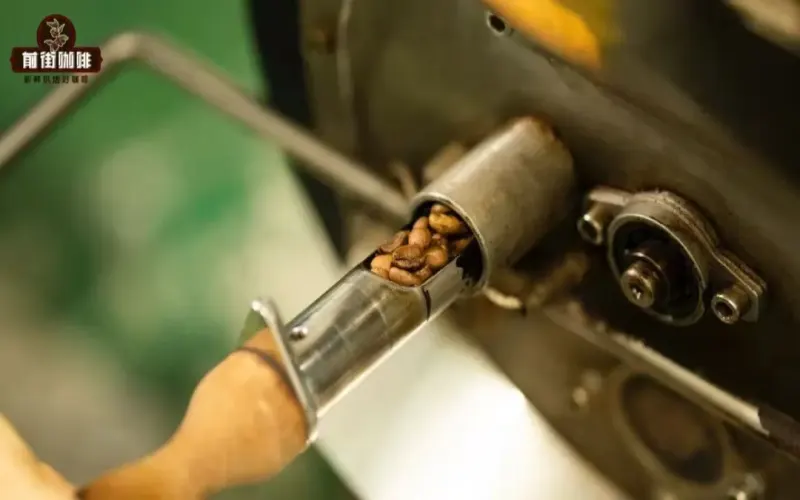
The roasting degree of coffee beans directly affects the flavor profile: light roasts highlight acidity and floral notes, while medium-dark roasts bring the rich, mellow feel of nuts, chocolate, and caramel. Starting from roasting types, this article sorts out the characteristics and representative products of medium, medium-dark, and dark roasted coffee beans, and provides parameter references for pour-over brewing methods for dark roasted beans. For coffee lovers who prefer low acidity and a rich taste, the article also introduces several medium-dark roasted single origins and espresso blends under Front Street Coffee, helping you find the cup that suits you between pour-over and espresso. [more…]
A Complete Analysis of Brazilian Coffee Bean Roast Levels: Flavor Changes from Light to Dark Roast and Front Street Brewing Recommendations
Brazil, as the world's largest coffee-producing country, accounts for more than one-third of global output, and its coffee beans are known for a clean, sweet profile with nutty and cocoa notes. This article takes the pulped natural processed beans from Fazenda Floresta in Minas Gerais as an example to detail the flavor performance at each stage from light roast to dark roast, and, combined with Front Street Coffee's roasting recommendations, analyzes the acidity, body, and sweet aftertaste characteristics of Brazilian beans under different roast levels. It also introduces the promotional work of the Brazil Specialty Coffee Association, the distribution of major producing regions, and the evolution of varieties, helping coffee enthusiasts choose a suitable roast level and brewing method according to their taste preferences. [more…]
Analysis of Coffee Roast Levels and Caffeine Content: From Roast Degree to Front Street Coffee Dark Roast Bean Recommendations
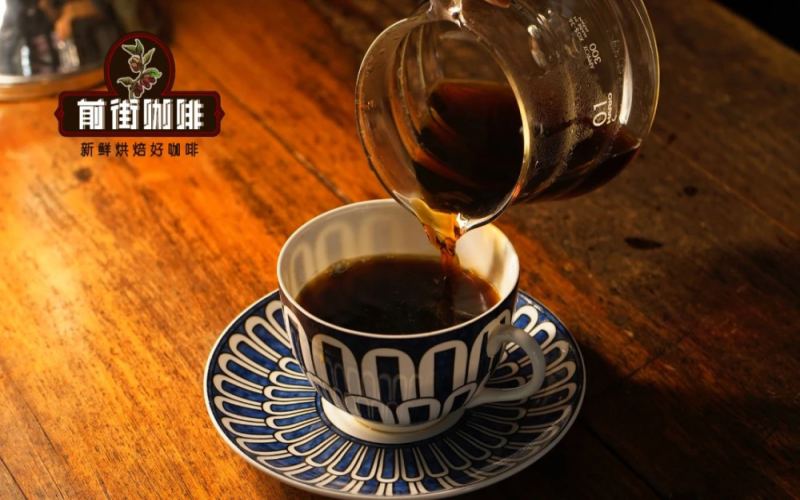
The acidity and bitterness of coffee are closely related to the roast level, while caffeine content is influenced by multiple factors such as variety and extraction method. From the perspective of Front Street Coffee, this article systematically reviews the definitions, bean-dropping timing, and flavor characteristics of eight roast levels, and highlights three coffee beans suitable for dark roasting: Golden Mandheling, Colombian Huila, and Queen's Estate Brazil. It also provides an in-depth analysis of the caffeine content range in coffee beans, the actual caffeine values of different brewing methods such as pour-over and espresso, and reference standards for the safe daily intake for adults, helping coffee enthusiasts fully understand the relationship between roasting and caffeine. [more…]
An Analysis of the Flavor Differences Between Light, Medium, and Dark Roasted Coffee Beans: Medium Roast Flavor Characteristics and Bean Selection Strategies for a Cup That Is Neither Sour Nor Bitter
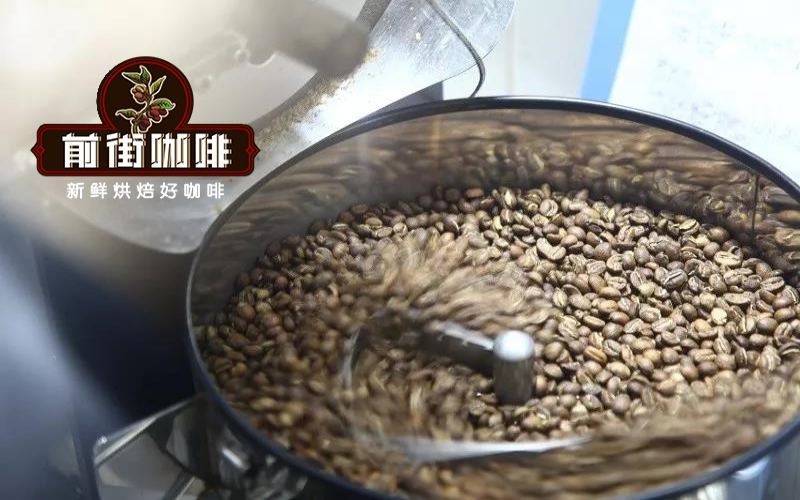
The roast level of coffee beans directly influences the flavor direction in the cup. The darker the roast, the more the acidic compounds are destroyed, and caramel, smoky, and bitter notes gradually take over; the lighter the roast, the easier it is to preserve bright fruit acidity and floral aromas. For coffee lovers who neither like too much acidity nor want to taste bitterness, a medium roast is often the more balanced choice. So what flavor characteristics does medium-roast coffee actually have? And how do you distinguish between medium-light and medium-dark roasts? This article starts from the principles of roasting, combines them with the first crack milestone, sorts out the flavor differences among light, medium, and dark roasts, and offers specific Front Street Coffee bean recommendations to help you find the cup that suits you between acidity and bitterness. [more…]
Golden Mandheling Coffee Beans: Flavor Testing Across Different Roast Levels and an In-Depth Analysis of Origin and Variety
As a representative of Indonesian coffee, the flavor profile of Golden Mandheling is closely tied to its roast level. This article uses pour-over brewing to conduct a comparative test of Golden Mandheling at three roast levels—dark, medium, and medium-light—and documents in detail the taste differences at each roast level, including dimensions such as body, bitterness, fruit acidity, and smoothness. At the same time, the article responds to consumers' concerns about acidity, explains why the factory chooses a medium-dark roast, and emphasizes Front Street Coffee's confidence in coffee quality and its unique understanding of it. Whether you prefer rich and full-bodied or light and gentle, you can find a roast option that suits you. [more…]
Coffee Roast Level Identification Guide: From Appearance Color to the SCAA Color Value System, a Full Analysis of the Taste Characteristics of Espresso and American Coffee Beans
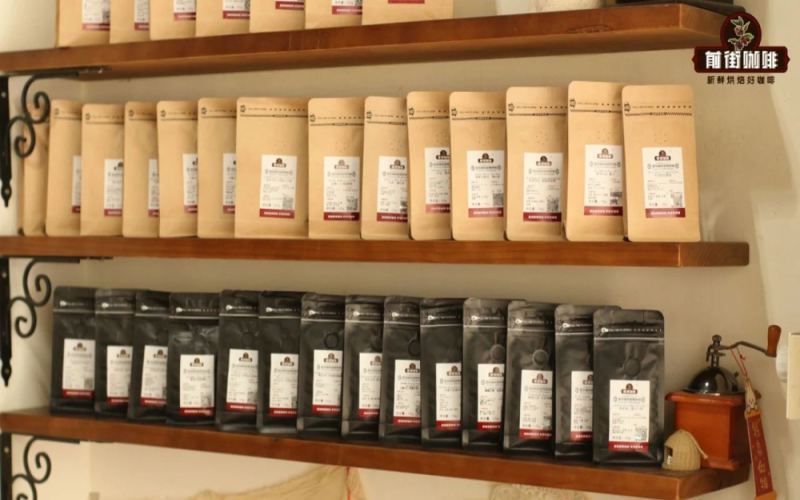
The flavor profile of coffee beans is largely determined by the roast level. For coffee enthusiasts, mastering methods to distinguish light from dark roasts can both help in selecting suitable beans and allow for a more accurate understanding of the flavor descriptions on packaging. From the perspective of Front Street Coffee, this article outlines three practical ways to judge: first, by visually observing the bean surface color and wrinkle condition; second, by inferring the roast range from flavor descriptors; third, by referring to the SCAA's Agtron infrared caramelization measurement standard, which categorizes eight color values into four major groups. The article also includes Front Street product recommendations for each roast level, for everyday purchasing reference. [more…]
How Coffee Roast Depth Shapes Flavor and Mouthfeel: A Comprehensive Analysis from the Agtron Value to the Flavor in the Cup
The taste of coffee is influenced at every stage, from cultivation at the place of origin, variety selection, and green bean processing to roasting and brewing. The microclimates and bean varieties of different producing regions give coffee its unique regional flavor, while roasting is the key step that unlocks the flavor. Green beans must undergo high-temperature roasting to reveal their aroma and mouthfeel, and different roast levels directly change coffee's acid-bitter balance and body. This article will explain how to use the Agtron number to distinguish roast levels, and use Front Street Yirgacheffe and Golden Mandheling as examples to analyze the actual impact of light roasting and dark roasting on coffee flavor. [more…]
Coffee Roast Flavor Comparison Guide: A Full Analysis of Light Roast Floral-Fruity Notes, Medium Roast Nutty Tones, and Deep Roast Rich Character
Faced with a dazzling array of coffee beans, it helps to start with the roast level to quickly narrow down the flavor direction you enjoy. Light roasts highlight the clean sweetness of flowers and fruit along with bright acidity; medium roasts show off the elegant, sweet finish of nuts and cocoa; medium-dark roasts, with their caramel and cream notes, become the perfect partner for milk; and dark roasts deliver a bold personality—low in acidity, rich and mellow, with deep, sweet intensity. This article goes through the flavor and mouthfeel characteristics of each roast level one by one, and combines them with specific beans such as Front Street Coffee Gidingding, Front Street Coffee Strawberry Candy, Front Street Coffee 2013 Sun-Dried Typica, Front Street Coffee Queen's Estate, and Front Street Coffee PWN Golden Mandheling to offer buying suggestions, helping coffee lovers find the cup that suits their own style. [more…]
The Complete Guide to Roasting Mandheling Coffee Beans: Strategies for High Moisture Content and Analysis of Medium-Dark Roast Techniques
Mandheling is a classic choice for many coffee enthusiasts just getting started, but its green beans have a relatively high moisture content and a darker color, making it often difficult to achieve a uniform roast—this is one of the reasons many Mandheling coffees on the market are roasted darker. This article will focus on this characteristic, sharing three practical approaches for improvement, and, combined with actual roasting curves, explain the timing between first crack and second crack, the flavor changes, and the oiling patterns. Whether you use a hot-air popcorn popper or other small roasting equipment, you can find a Mandheling roasting rhythm that suits you, allowing this bean to show the mellow body and layered complexity it deserves. [more…]
An Analysis of the Causes of Coffee's Burnt Bitterness: The Evolution of Bitterness from Light to Dark Roast and the Influence of Roasting
Coffee's bitterness is not innate—green beans contain almost no bitterness, and it all starts with roasting. As roasting progresses from light to dark, acidity gradually gives way to bitterness, from nearly bitterness-free light roasts to the charred, intense bitterness of Italian roasts, with each stage corresponding to a completely different flavor profile. This article will examine the eight stages of roasting one by one, analyzing how bitterness changes with the degree of roast, to help you make more informed choices when selecting coffee beans. The article also incorporates several representative products from the Front Street Coffee brand, providing concrete references for different roasting preferences. [more…]
How to Determine Coffee Bean Roast Level? A Comprehensive Analysis from Appearance and Flavor to the SCAA Color Value Comparison
The flavor expression of coffee beans is closely related to the degree of roasting; the same bean will present completely different aromas and mouthfeels under different roasting curves. For coffee enthusiasts, mastering methods to judge the roast level not only helps in selecting beans that suit one's taste, but also enables a more accurate understanding of the flavor descriptions on the packaging. Based on the experience of Front Street Coffee, this article introduces three practical ways to identify roast level: first, by visually observing the bean surface color, wrinkles, and oil conditions; second, by inferring the roasting range from flavor descriptions; and third, by referring to the SCAA's Agtron color value standard, matching the eight-level roast classification with the commonly understood light, medium, and dark roasts, providing a reference for daily bean selection and brewing. [more…]